logomark

About Revision Rhinoplasty

Revision rhinoplasty (secondary rhinoplasty) is more complex than the first rhinoplasty procedure and requires more skill. This is why this surgery requires a facial plastic surgeon, such as Dr. Jason Bloom or Dr. Julie Shtraks, who has specific training and experience in the area of revision rhinoplasty. In most cases, revision rhinoplasty can provide the shape, support, and/or function that was the intended outcome of the original procedure. If you’re considering revision rhinoplasty, it’s important to be aware that you’ll need to wait at least one year after your initial rhinoplasty to ensure that all the swelling has subsided.

woman touching her shoulder

What Problems Can Be Corrected?

  • An “overdone” appearance
  • Asymmetry
  • Incomplete shaping
  • Lack of cartilage and support
  • A crooked nose
  • A low-hanging/drooping columella
  • Unattractive projection
  • Breathing problems
  • A nasal tip that’s too wide, too narrow, or upturned
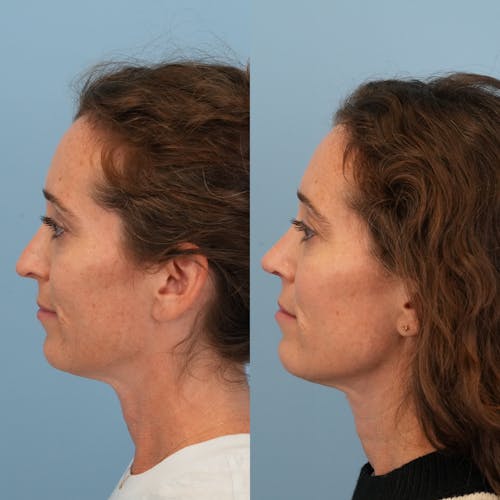
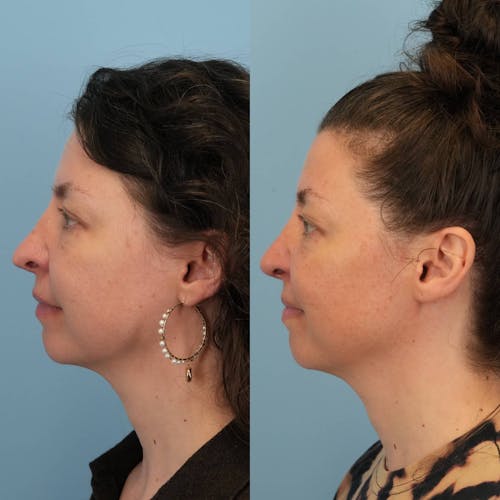
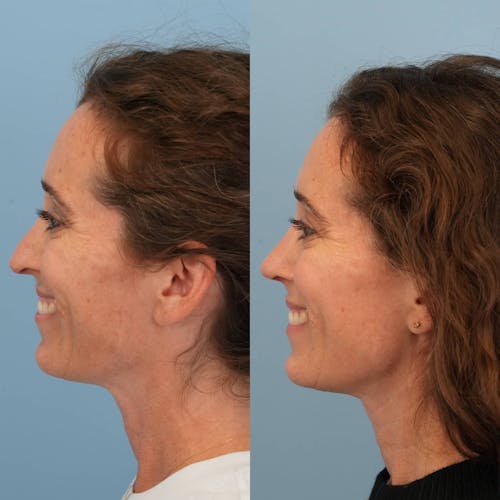
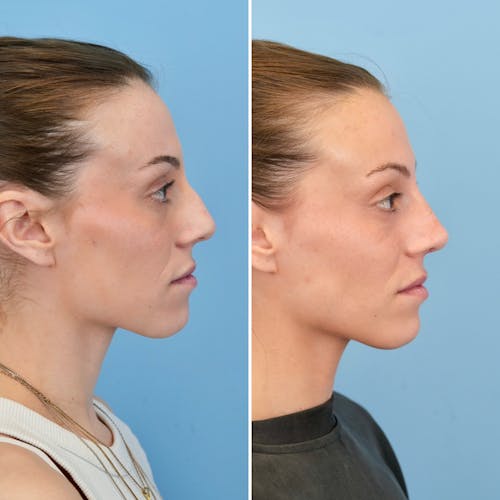
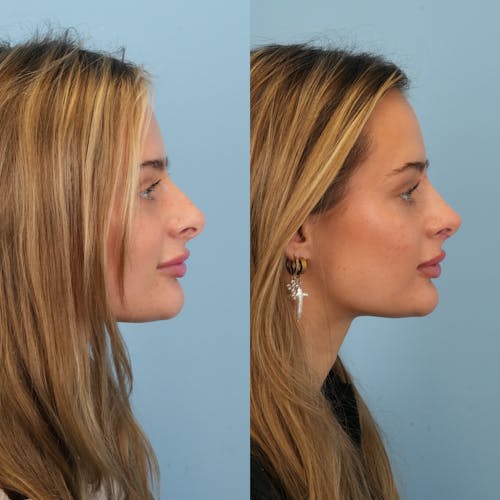
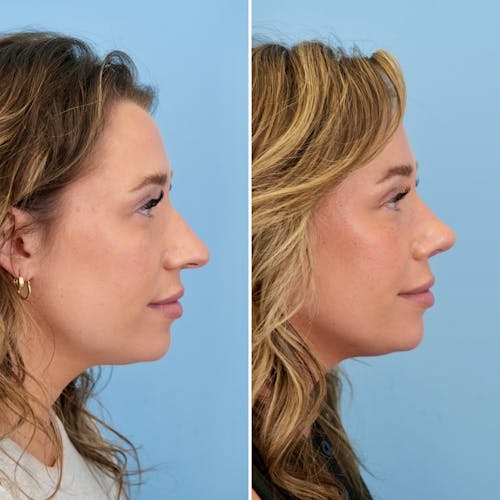
Dr. Bloom Before & After Revision Rhinoplasty

View More Before & Afters:

Dr. Bloom Dr. Shtraks
CTA background

Professional Journal Publications

Background media

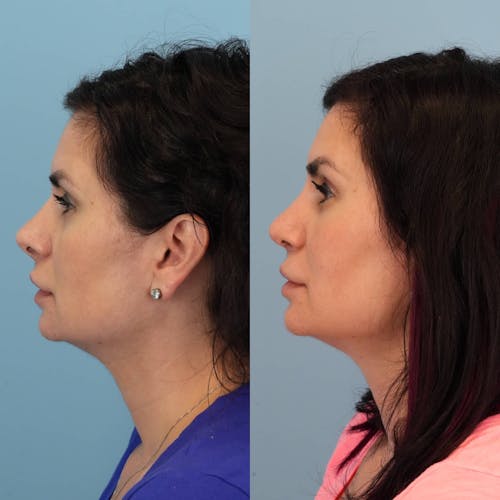
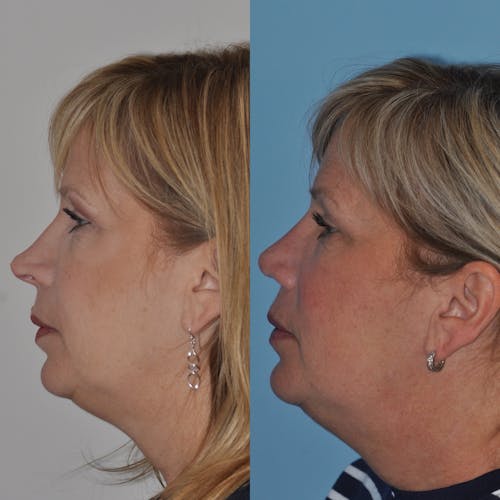
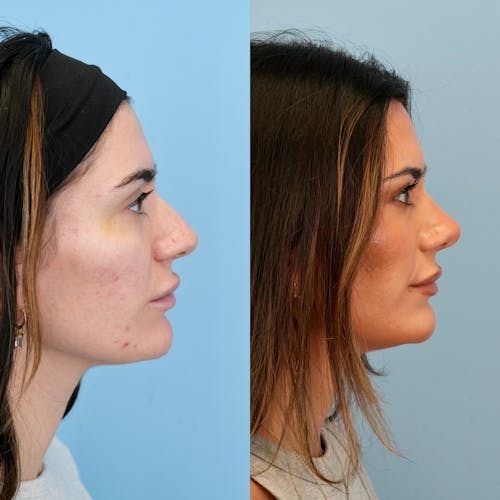
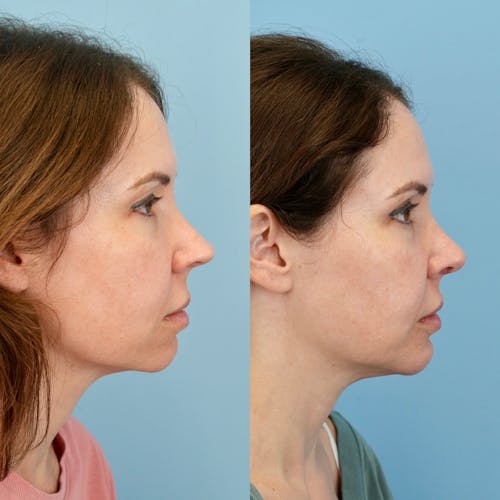
Dr. Shtraks Before & After Revision Rhinoplasty

View More Before & Afters:

Dr. Bloom Dr. Shtraks
CTA background

Schedule A Consultation

Contact us media

What to Expect During Your Consultation

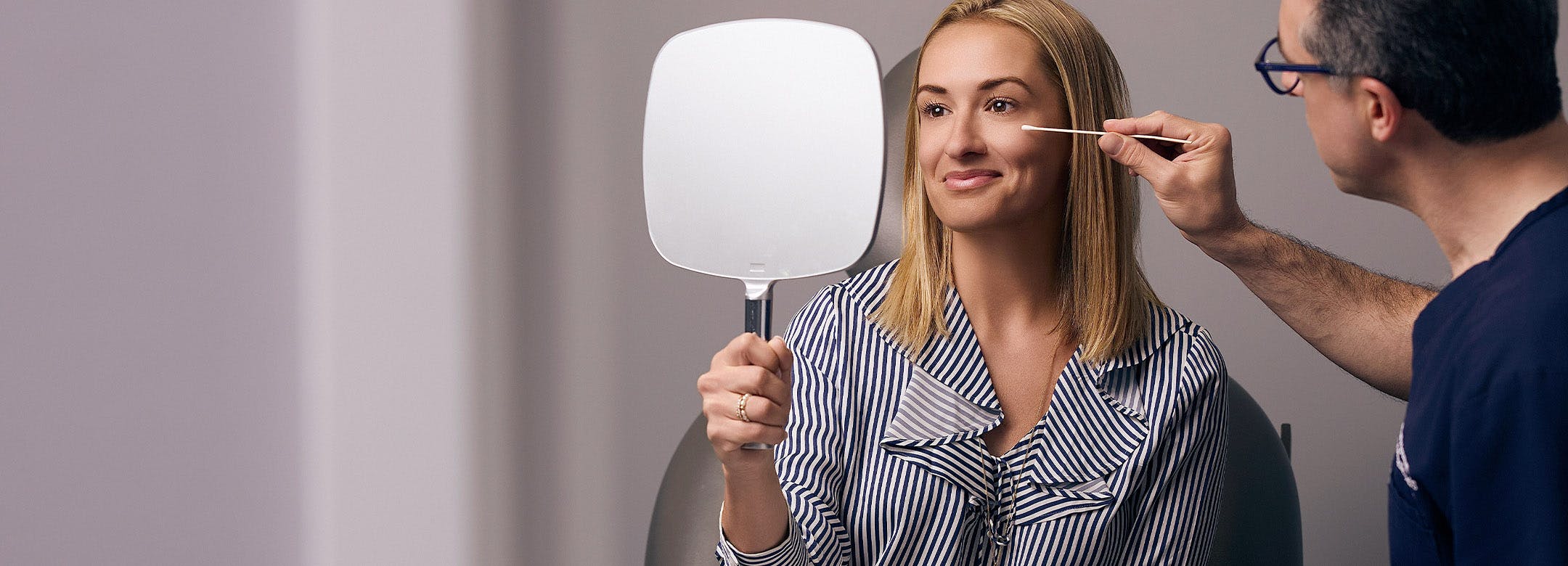
During your consultation with Dr. Bloom or Dr. Shtraks, they will go over what bothers you about your nose and why your previous rhinoplasty didn’t work out.

3D photographs will be taken of you, as well as Canfield Vectra 3D imaging. Your surgeon will use the information you provide and combine it with their expertise to show you what your results may look like.

This is an important step in the process because it puts you and the doctor on the same page and helps you understand more clearly what to expect regarding the procedure and recovery.

Why Undergo Rhinoplasty a Second Time?

  • You’re unsatisfied with the outcome of the first procedure
  • The first rhinoplasty didn’t improve your breathing problems (or created new ones)
  • Scar tissue has developed from the original rhinoplasty
  • The nose did not heal properly from first procedure
  • Your original rhinoplasty results were damaged by trauma (injury)

Our Surgical Technique

Revision rhinoplasty is accomplished using either an open approach (the incisions are created across the columella) or a closed approach (the incisions are made within the nose). The open approach is typically used for revision rhinoplasty procedures. Revision rhinoplasty can involve adding cartilage, bone, or other tissue to the interior of the nose to achieve the shape and structure necessary for the desired result and function. If the nose is still too large after the initial rhinoplasty, Dr. Bloom or Dr. Shtraks can reduce bone and/or cartilage and re-sculpt the bridge.

Recovery

Revision rhinoplasty typically takes between 1-2 weeks, during which time you will experience some swelling, bruising, soreness, and a sensation of congestion. You may need to wear a splint for a week, and if cartilage or bone were added, you will have other recovery instructions. Elevating the head is very important to reduce swelling, and physical activity will need to be avoided until you are advised otherwise by our team.

Background media
Doctor media

Why Choose Bloom Facial Plastic & Aesthetic Surgery?

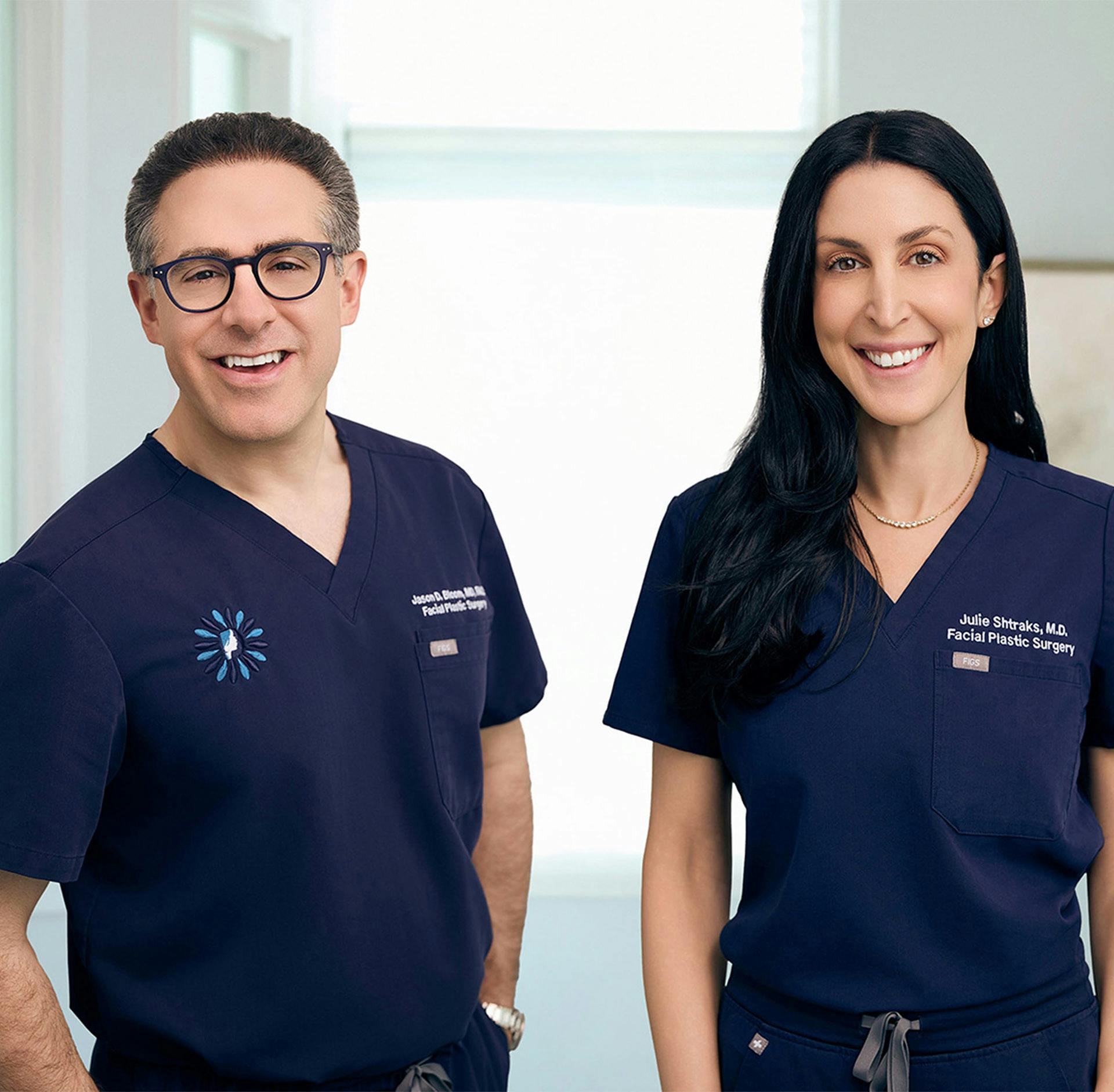
Jason Bloom, MD, FACS, a double board-certified facial plastic surgeon, assistant professor at Penn and Temple, and consultant, author, teacher, and trainer within the industry, and Dr. Julie Shtraks, a Beverly Hills fellowship-trained facial plastic and reconstructive surgeon with specialized expertise in primary and revision rhinoplasty, together make Bloom Facial Plastic & Aesthetic Surgery the ideal choice for your revision rhinoplasty. We invite you to contact us to schedule a consultation.

Frequently Asked Questions Revision Rhinoplasty

How much will a revision rhinoplasty cost?

The cost of lip lift can vary based on factors like the surgeon's expertise, location, and extent of the procedure, but generally ranges between $18,000-$22,000 by Dr. Bloom and $12,000-$15,000 by Dr. Shtraks.

How soon after my first rhinoplasty can I have a revision?

You will need to wait at least one year after your initial rhinoplasty before undergoing revision rhinoplasty. This waiting period ensures that all swelling has fully subsided and the nose has healed completely, giving Dr. Bloom an accurate picture of what needs to be corrected.

Is revision rhinoplasty more difficult than a primary rhinoplasty?

Yes — revision rhinoplasty is significantly more complex than a first-time rhinoplasty due to scar tissue, altered anatomy, and the precision required to correct previous work. This is why it's critical to choose a facial plastic surgeon like Dr. Bloom, who has specific training, published research, and extensive experience in revision procedures.

What approach does Dr. Bloom use for revision rhinoplasty?

Dr. Bloom most commonly uses an open approach for revision rhinoplasty, where incisions are made across the columella to allow greater visibility and control. Depending on your needs, the procedure may involve adding cartilage, bone, or other tissue to improve structure and function, or reducing bone and cartilage if the nose remains too large after the original surgery.

Contact us media
Accessibility: If you are vision-impaired or have some other impairment covered by the Americans with Disabilities Act or a similar law, and you wish to discuss potential accommodations related to using this website, please contact our Accessibility Manager at (610) 762-5666.
Contact Us