logomark

Restore Strength and Stability From Within

Weak, separated abdominal muscles can significantly affect your core, leading to discomfort, a stretched appearance, and reduced function. Whether due to pregnancy, weight loss, or trauma, diastasis recti repair in Bryn Mawr can correct these issues and restore your strength, helping you feel more supported in your body.

Diastasis Recti Repair Overview

woman in white lacey undergarments

What Is Diastasis Recti Repair?

Diastasis recti repair is a surgical procedure that brings separated abdominal muscles back together, restoring their connection with precision tightening. It’s most common after pregnancy and weight loss, but can be caused by trauma or injury to the abdomen. The separated muscles can create an abnormal, bulging appearance that can only be corrected with surgical intervention. Our rectus diastasis repair can achieve the following results:

  • Restored core strength and stability
  • A smoother, flatter abdominal contour
  • Improved posture
  • Reduced abdominal bulging or distention
  • Enhanced mobility and comfort

Why Choose Bloom Facial Plastic & Aesthetic Surgery?

Bloom Facial Plastic & Aesthetic Surgery is constantly raising the bar for aesthetic care in Bryn Mawr and Philadelphia, and we lead with precision and aesthetic judgment to deliver high-quality results. Every procedure is performed at our state-of-the-art facility, featuring private treatment rooms equipped with the most cutting-edge tools and technologies available in the industry. We work with licensed, trained surgeons and medical professionals who prioritize safety, efficacy, and patient satisfaction.

Your diastasis recti repair in Philadelphia will be performed by Dr. Elizabeth Malphrus, an Ivy League-trained body and breast plastic surgeon. Her work is defined by a natural aesthetic, ensuring results that feel aligned with your anatomy and figure. She leads with intention and integrity to help her patients feel comfortable, confident, and supported every step of the way.

Schedule A Consultation

Contact us media

What to Expect From Your Diastasis Recti Repair in Bryn Mawr?

A Confidential Consultation

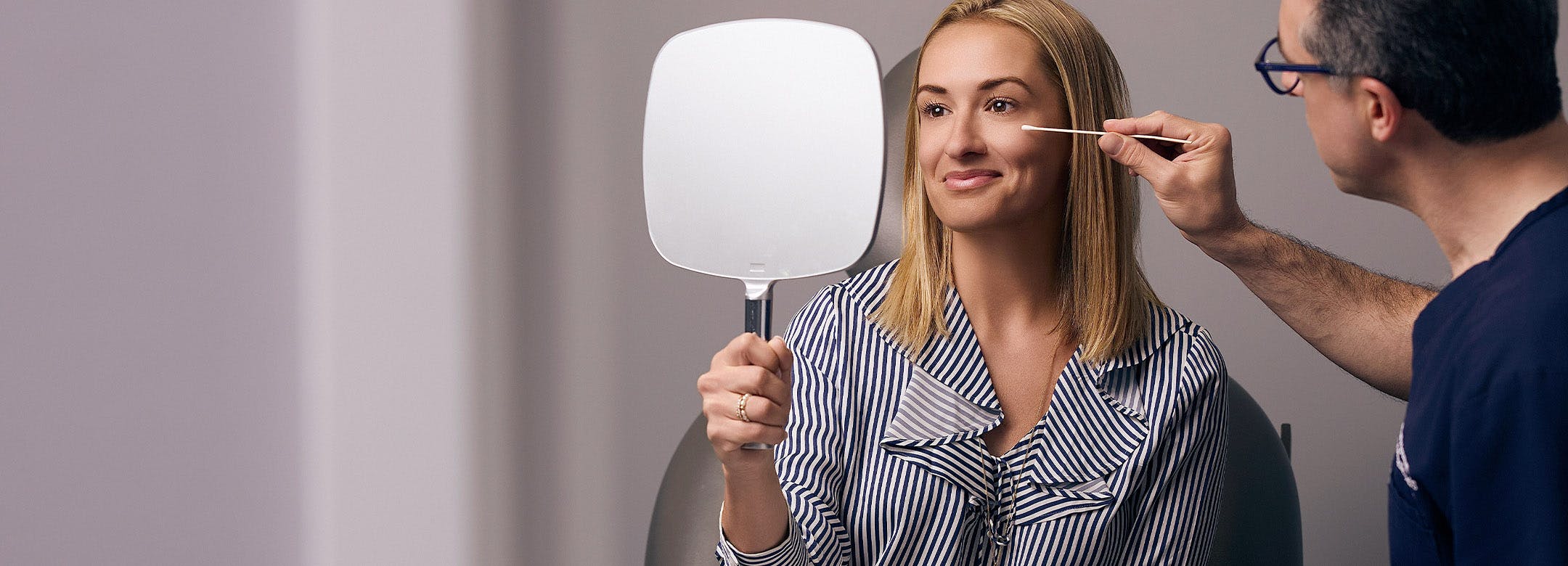
Every patient’s journey at Bloom Facial Plastic & Aesthetic Surgery begins with a one-on-one consultation with Dr. Malphrus. There, you’ll discuss your aesthetic goals, symptoms, and medical history, and she’ll examine your muscle tone, degree of separation, and abdominal anatomy to determine if diastasis recti repair is right for you.

Precision Muscle Repair

During surgery, the separated abdominal muscles are carefully sutured back together using highly precise techniques that ensure a long-lasting connection. Here, the focus is on restabilizing the muscles and enhancing the integrity and strength of your core.

Refining Your Abdominal Contours

Once the muscles have been properly tightened, Dr. Malphrus will carefully reshape the surrounding tissue to sculpt a flatter, more toned abdomen. This further smooths your abdominal contours, improves transitions between the upper and lower body, and refines your overall balance.

Tummy Tuck Integration

For most patients, rectus diastasis repair is included in a strategic tummy tuck. By combining these two procedures together, Dr. Malphrus can reinforce your core and remove excess skin from the abdomen, revealing a tighter, firmer midsection. However, our team can also perform rectus diastasis repair without excess skin removal.

Background media

Patient-First Recovery

Recovery after diastasis recti repair typically involves tightness, swelling, and soreness in the abdomen for up to two weeks, and you’ll need to limit core movement for several days during early recovery. Depending on your body’s needs, we may provide you with compression garments to help reduce swelling and support your tissues as they heal. Light activities can be resumed gradually, with most patients returning to gentle movement, desk work, and social gatherings within two weeks, but strenuous exercise should be avoided for up to two months.

After your procedure, you’ll receive a list of aftercare instructions from Dr. Malphrus and the Bloom team. This list may include the following items:

  • Incision site care and cleaning protocols
  • Supportive garment guidance
  • Hygiene recommendations
  • Activity limitations
  • Recovery clothing options
  • Sleep position restrictions
  • Swelling and pain management strategies

You’ll return to our Bryn Mawr clinic several times over the coming weeks for follow-up appointments with Dr. Malphrus. There, she’ll remove any remaining sutures, monitor your healing progress and core strength, and clear you to resume high-impact activities like weight lifting, intense exercise, and pilates.

Natural-Looking, Transformative Results

As you heal, your core will gradually get stronger, and you’ll begin to feel the full effects of your diastasis recti repair in Philadelphia. Many patients report immediate improvement in abdominal contours after their procedure, leading to increased confidence and comfort. It may take several weeks for all residual swelling to fade and for your final results to truly take shape.

Banner media

Frequently Asked Questions Diastasis Recti Repair

Can exercise fix rectus diastasis?

No. Exercise can help strengthen the abdominal muscles, but only surgical intervention can reposition them into their correct placement in the abdomen.

Is diastasis recti repair painful?

Your procedure will be performed under general anesthesia to prevent pain and discomfort during and immediately after surgery. Most patients experience discomfort and soreness during recovery, which can be managed with over-the-counter or prescription pain medications.

How do I know if I have rectus diastasis?

During your initial consultation, Dr. Malphrus will examine your abdomen to locate your abdominal muscles and assess their separation, confirming whether you have rectus diastasis. She’ll then build you a customized surgical plan to correct your exact degree of separation.

When can I return to exercise and core-focused movement?

Most patients need to wait at least two months before returning to intense exercise, allowing their bodies to fully heal. You’ll need to avoid activities like pilates, weight lifting, and core-based exercises during recovery.

Contact us media
Accessibility: If you are vision-impaired or have some other impairment covered by the Americans with Disabilities Act or a similar law, and you wish to discuss potential accommodations related to using this website, please contact our Accessibility Manager at (610) 762-5666.
Contact Us