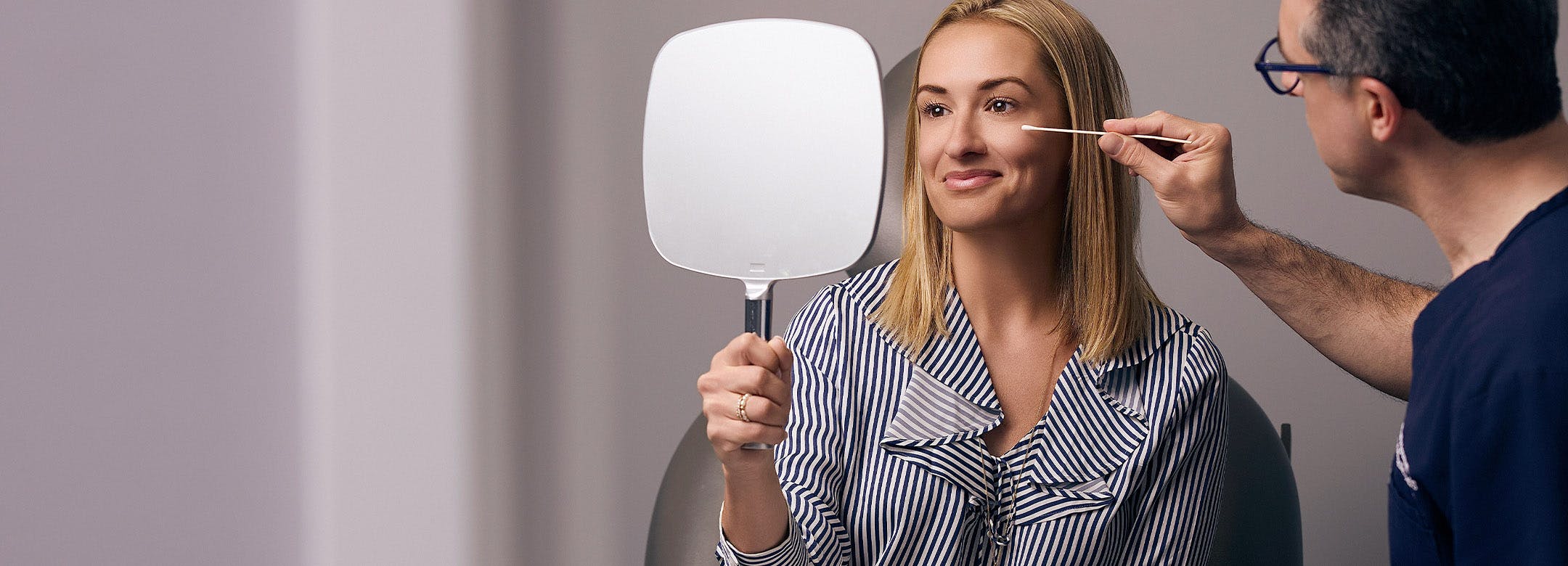

BOTOX and dermal fillers are both quick, office-based injectables capable of producing a noticeably refreshed appearance. The confusion between them is understandable. They are often performed in the same appointment, and the names get used interchangeably. But they work on entirely different problems, and understanding the distinction is how you figure out which one you actually need.
Dr. Jason Bloom, an Ivy League trained, double board-certified facial plastic and reconstructive surgeon in Bryn Mawr, trains physicians across the country in both treatments and is nationally recognized for achieving natural-looking injectable results. Read on for a breakdown of how each works and which one belongs in your plan.
How BOTOX Works
BOTOX is a neuromodulator. It contains botulinum toxin type A, which temporarily prevents targeted facial muscles from contracting. When those muscles stop firing, the skin above them smooths out. It is particularly effective for dynamic wrinkles, the lines that deepen through years of repeated facial movement.
Sessions run 20 to 30 minutes with virtually no downtime. Results appear within three to five days and typically last three to four months, often longer with regular treatment. Treatment areas include:
- Forehead lines
- Crow's feet
- Frown lines between the brows
- Lip lines and gummy smiles
- Neck bands
- Drooping nasal tip
How Dermal Fillers Work
Where BOTOX relaxes muscles, fillers restore volume. Most are FDA-approved hyaluronic acid-based injectables. Hyaluronic acid occurs naturally in the skin but declines with age, causing the face to gradually hollow and flatten. Lines visible at rest, sunken temples, a softened jawline, these are volume problems that BOTOX cannot address.
Filler injections replace lost volume, smooth static lines, and can redefine facial contours. Results last six months to two years depending on product and area. Brands like JUVÉDERM and Restylane differ in texture and strength, and selecting the right product for each zone requires real expertise. Common treatment areas include:
- Under-eye hollows
- Nasolabial folds
- Lip volume and definition
- Cheek and temple volume loss
- Chin and jawline definition
- Fine lines around the mouth
Which One Do You Actually Need?
For many patients, both can be effective. BOTOX handles the lines formed by muscle movement; fillers handle the hollowing and structural changes that come with age. Together they address the face far more completely than either treatment alone.
The decision comes down to anatomy. Someone in their late 20s bothered by forehead creases likely needs BOTOX. A patient in their 40s dealing with a flatter mid-face will probably lead with fillers. Goals, skin quality, and the specific concerns at hand all determine the approach. A proper consultation is the only reliable way to sort that out.
Start with a Consultation at Bloom Facial Plastic Surgery
Dr. Bloom personally performs neuromodulator injections at Bloom Facial Plastic Surgery, and his expert clinical team handles dermal filler treatments. He has authored more than 40 journal articles and travels nationally to train other physicians in these techniques. Schedule a consultation at Bloom Facial Plastic Surgery in Bryn Mawr to find out which treatment is right for you.